
OTR & TBR Industry Focus on Sustainability & Durability
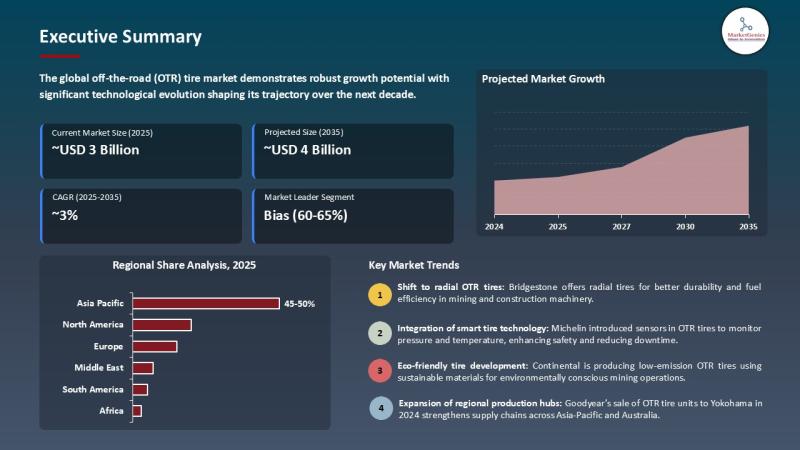
The global off-the-road (OTR) and truck & bus radial (TBR) tyre industry is increasingly prioritising sustainability and durability in April 2026, as manufacturers respond to rising cost pressures, stricter environmental regulations, and growing demand for longer-lasting, cost-efficient tyre solutions. The shift is also driven by the need to reduce total lifecycle emissions and improve operational efficiency across mining, construction, and logistics sectors.
Key Sustainability Developments
- Eco-friendly materials: Increased use of recycled rubber, silica compounds, and bio-based materials, with some manufacturers targeting 20–30% sustainable content in tyres.
- Lower emissions: Production processes optimized to reduce CO₂ emissions by 10–20% through energy-efficient curing and renewable energy usage.
- Circular economy: Retreading, recycling, and reuse initiatives expanding, with TBR tyres achieving up to 2–3 lifecycle extensions.
- Waste reduction: Manufacturing scrap rates reduced by 5–10% through improved quality control and automation.
Durability Improvements by Numbers
- Tyre lifespan: New compound technologies are extending tyre life by approximately 15–25% in OTR and TBR applications.
- Retreading growth: TBR retreading demand increased by 10–15% globally as fleets focus on cost efficiency.
- Failure reduction: Improved casing strength and bead design reduced failure rates by 8–12% in heavy-duty operations.
- Cut resistance: Enhanced tread compounds improve resistance to cuts and abrasions by up to 20% in mining environments.
- Downtime reduction: Advanced tyre designs help reduce equipment downtime by 10–18%.
Technology and Design Trends
- Advanced compounds: Multi-layer and multi-compound tread structures (up to 8–10 layers) improve heat resistance, durability, and load performance.
- Smart monitoring: Integration of TPMS and telematics systems enables real-time monitoring of pressure, temperature, and wear conditions.
- Predictive maintenance: Data-driven insights help reduce unexpected failures and optimize replacement cycles.
- Performance optimisation: Tyres are engineered for higher load capacity, improved traction, and longer service intervals.
- Low rolling resistance: New designs help reduce fuel consumption by 3–6% in TBR applications.
Industry Impact
- Cost savings: Fleet operators benefit from 10–20% lower total cost of ownership due to longer tyre life and reduced maintenance.
- Environmental compliance: Companies are aligning with stricter global regulations, particularly in Europe and North America.
- Market demand: Increased preference for durable and eco-efficient tyres across mining, construction, and logistics sectors.
- Fleet strategy shift: Operators increasingly prioritize lifecycle value over upfront cost.
Challenges
- Higher production costs: Sustainable materials and advanced technologies can increase manufacturing costs by 5–10%.
- Supply chain constraints: Limited availability of eco-materials may impact scalability.
- Technology adoption: Initial investment in smart tyre systems remains a barrier for smaller fleets.
Outlook
Sustainability and durability are expected to remain central to OTR and TBR tyre development throughout 2026 and beyond. Continued innovation in materials, retreading technologies, and digital monitoring systems will play a key role in improving operational efficiency, reducing environmental impact, and supporting long-term growth in the global tyre industry.
Reference
- Source: Global tyre industry sustainability, materials, and market reports – April 2026